Our Specialties
Diagnosis and treatment of diseases of the central and peripheral nervous system.
Important Medical Note
Please note: The exact diagnosis and indication are always determined individually by the physician after a thorough medical examination. We cannot promise any specific treatment outcome.
Spine
Spinal Conditions
The spine protects the spinal cord and nerves while enabling both stability and movement. Wear and tear, disc changes, narrowing or instabilities can cause pain and neurological symptoms.
We treat conditions of the cervical spine (C-spine), thoracic spine (T-spine) and lumbar spine (L-spine) as well as the sacroiliac joint (SI joint). Key is whether the anatomical change actually corresponds to the symptoms.
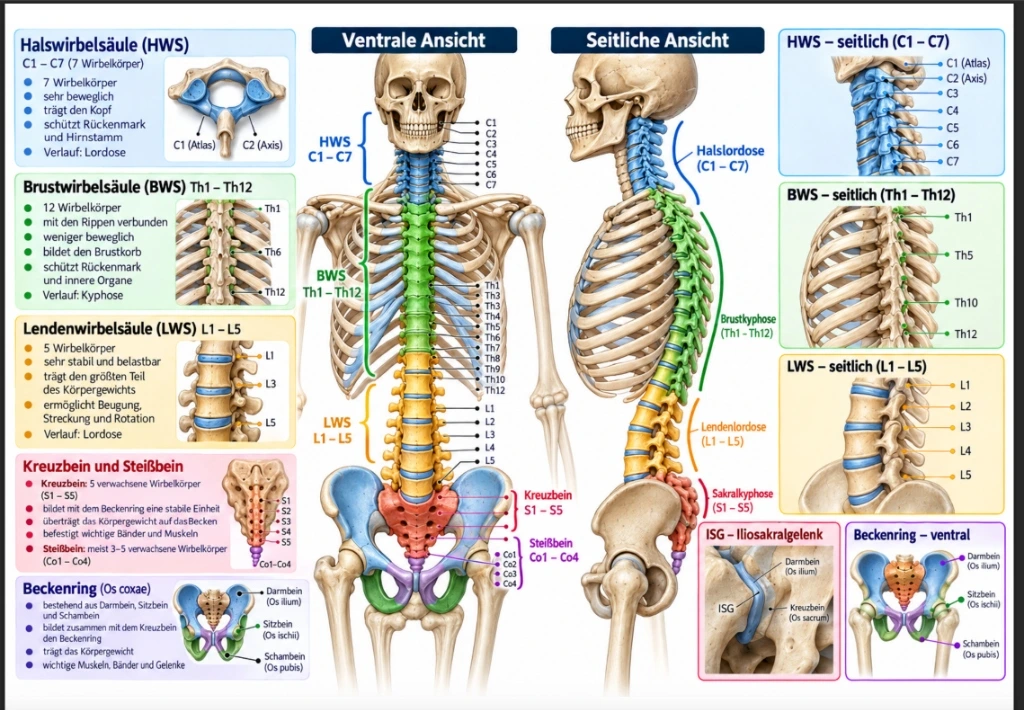
Disc Herniation (Cervical/Lumbar)
Protrusion or extrusion of disc material that irritates nerve roots or the spinal cord. Can affect the cervical or lumbar spine.
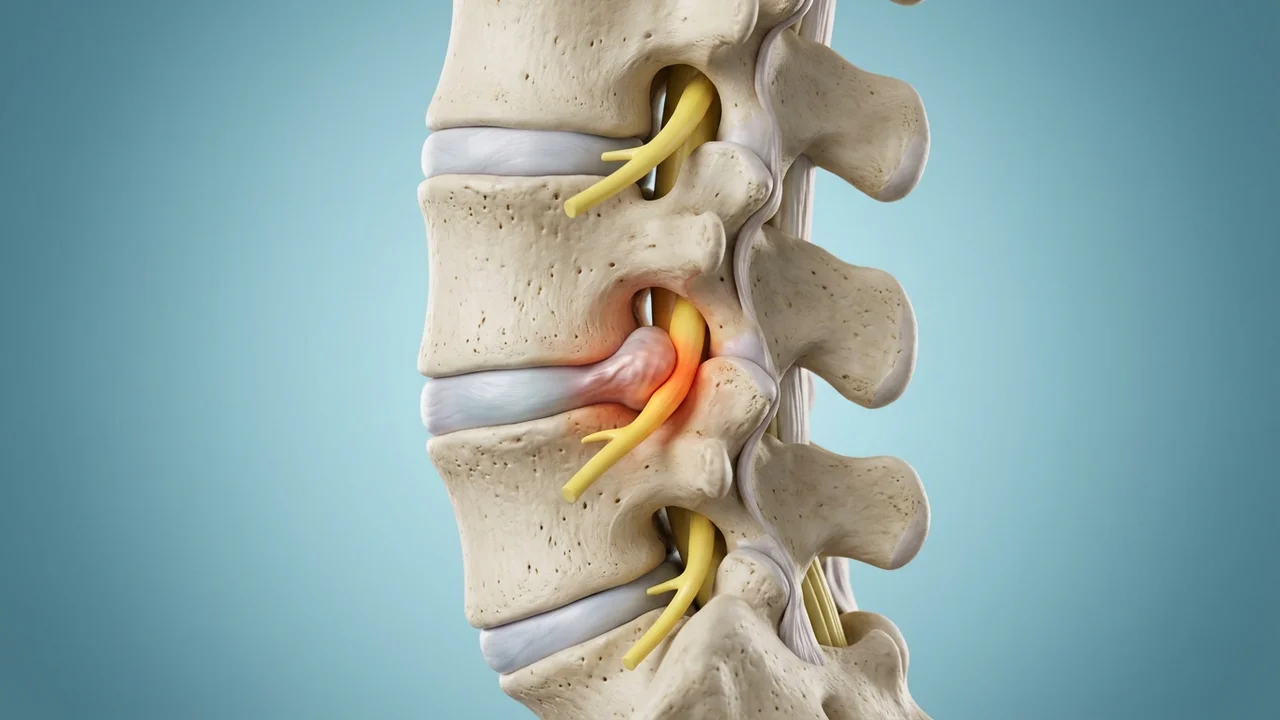
Spinal Canal Stenosis
Narrowing of the spinal canal that exerts pressure on the spinal cord or nerves. Typically causes pain while walking that improves when sitting.

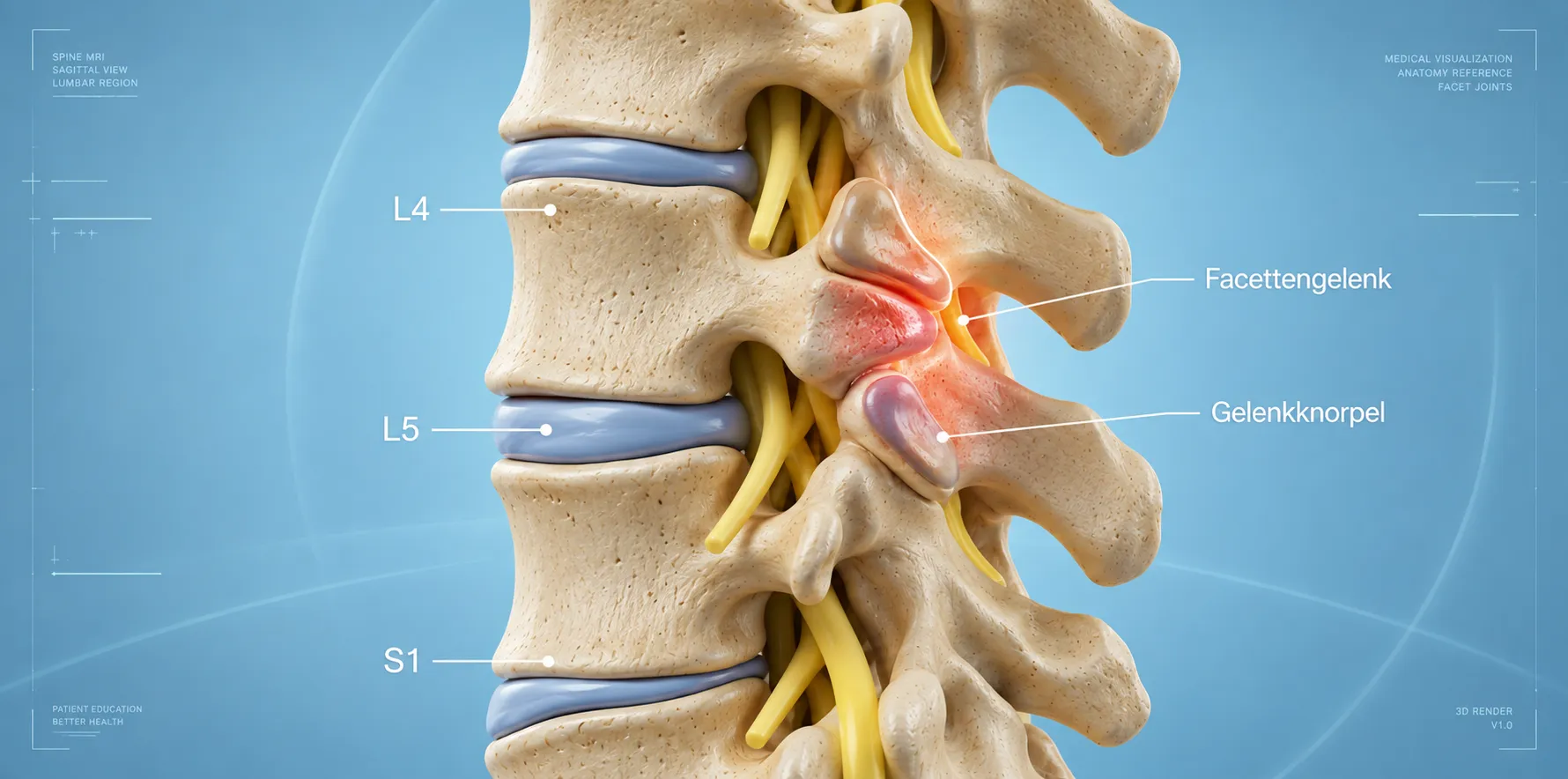
Facet Joints
Osteoarthritis and cysts of the small vertebral joints. Causes local back or neck pain that can intensify with movement.
Cervical Spine & Disc Prosthesis
Changes to the cervical spine can affect nerve roots and the spinal cord. Depending on findings: decompression, fusion or motion-preserving disc replacement.

SI Joint Syndrome
Irritation or dysfunction of the sacroiliac joint. Typically causes pain in the lower back and pelvis that can radiate into the buttock or thigh.
.webp)
Vertebral Fractures & Tumour-related Changes
Fracture of a vertebral body after a fall, due to osteoporosis, or tumour involvement. Kyphoplasty or interdisciplinary therapy depending on cause and stability.

Peripheral Nerves
Nerve conditions outside the brain and spinal cord
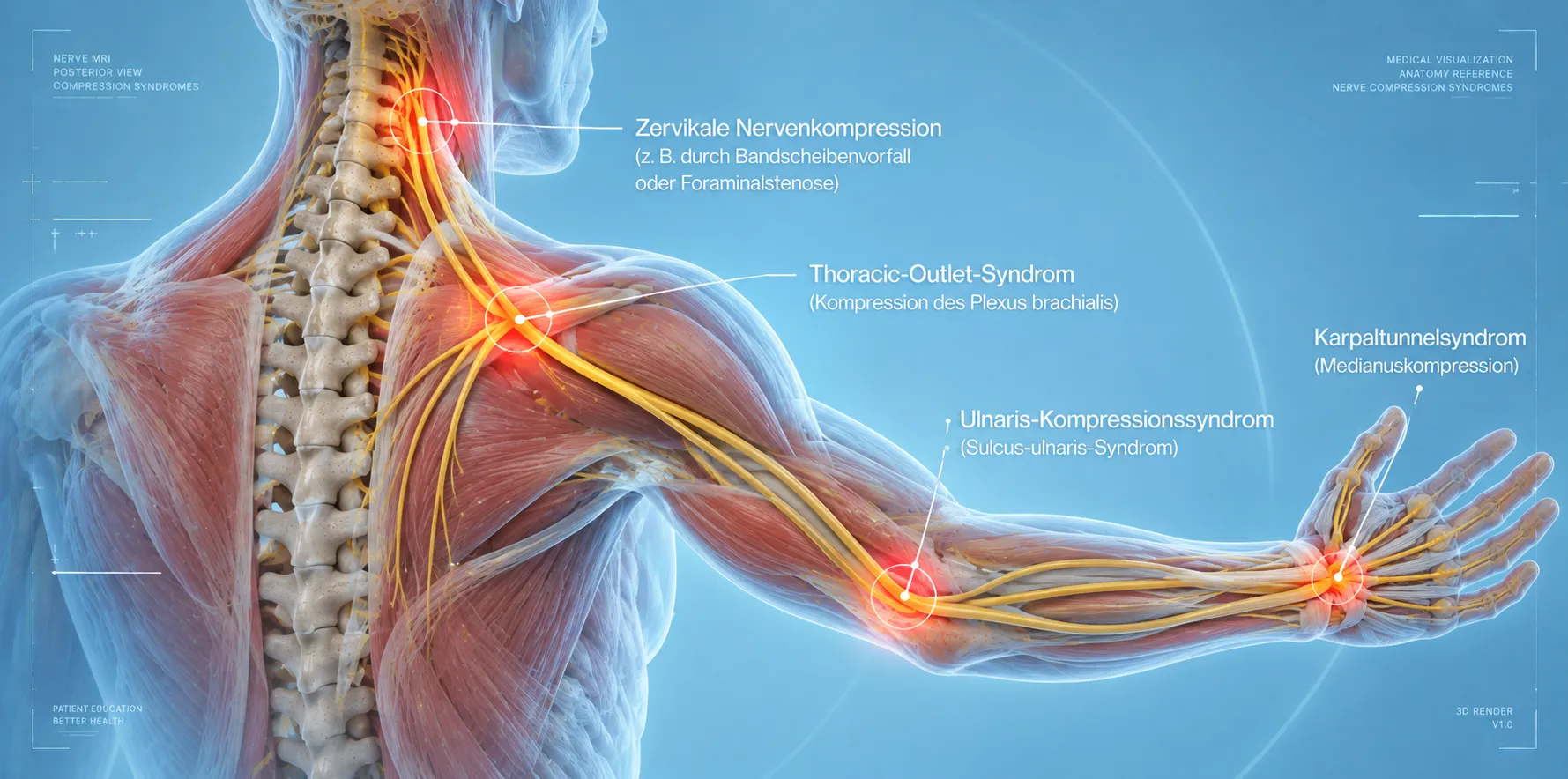
Peripheral nerves can come under pressure at anatomically narrow points. Typical symptoms include tingling, numbness, pain and – with more severe or long-standing damage – loss of strength.
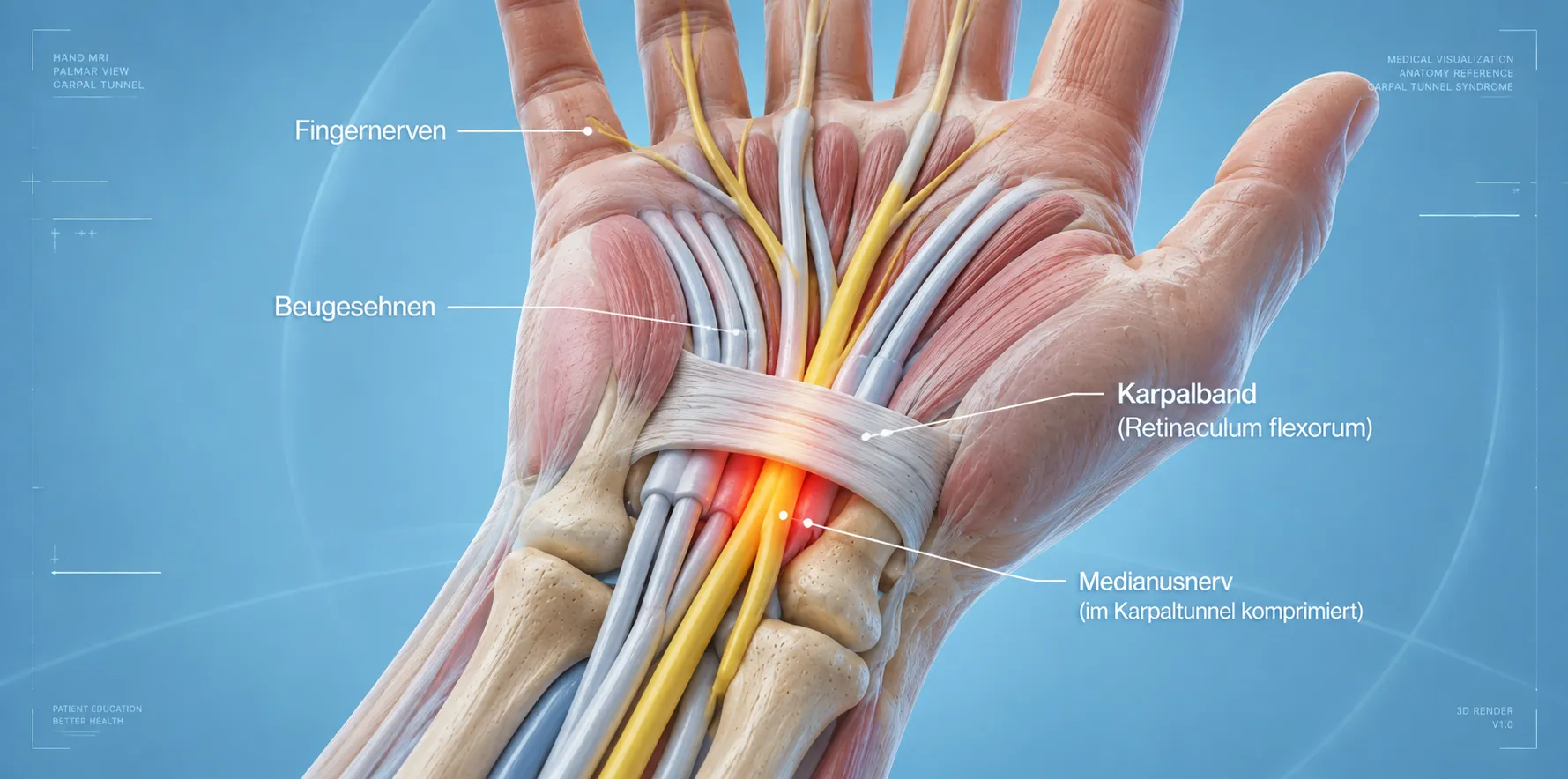
Carpal Tunnel Syndrome
Compression of the median nerve at the wrist. Causes tingling, numbness and weakness in the thumb, index and middle finger – often worse at night.
Cubital Tunnel Syndrome
Compression of the ulnar nerve at the elbow. Tingling and numbness in the little and ring finger, pain at the elbow – with longer duration, loss of hand strength.

Nerve Compression Syndromes
Further entrapment syndromes at anatomical narrow points of the body. Compression of nerves with tingling, numbness, pain and – with prolonged damage – weakness.
Tarsal Tunnel Syndrome
Compression of the tibial nerve in the tarsal tunnel at the inner ankle. Typical: tingling, numbness and pain in the sole of the foot and toes.

Nerve Damage/Injuries
Traumatic or surgical damage to peripheral nerves. Depending on the extent: conservative therapy, nerve suture, or nerve grafting to restore function.
Polyneuropathies
Disorders affecting multiple peripheral nerves simultaneously, often associated with diabetes or other underlying conditions. Symptoms: tingling, numbness, weakness – frequently beginning in the feet.
Pain Syndromes
Chronic and acute pain of various causes
Chronic pain can have different underlying causes. A graduated, multimodal treatment concept is therefore often appropriate.
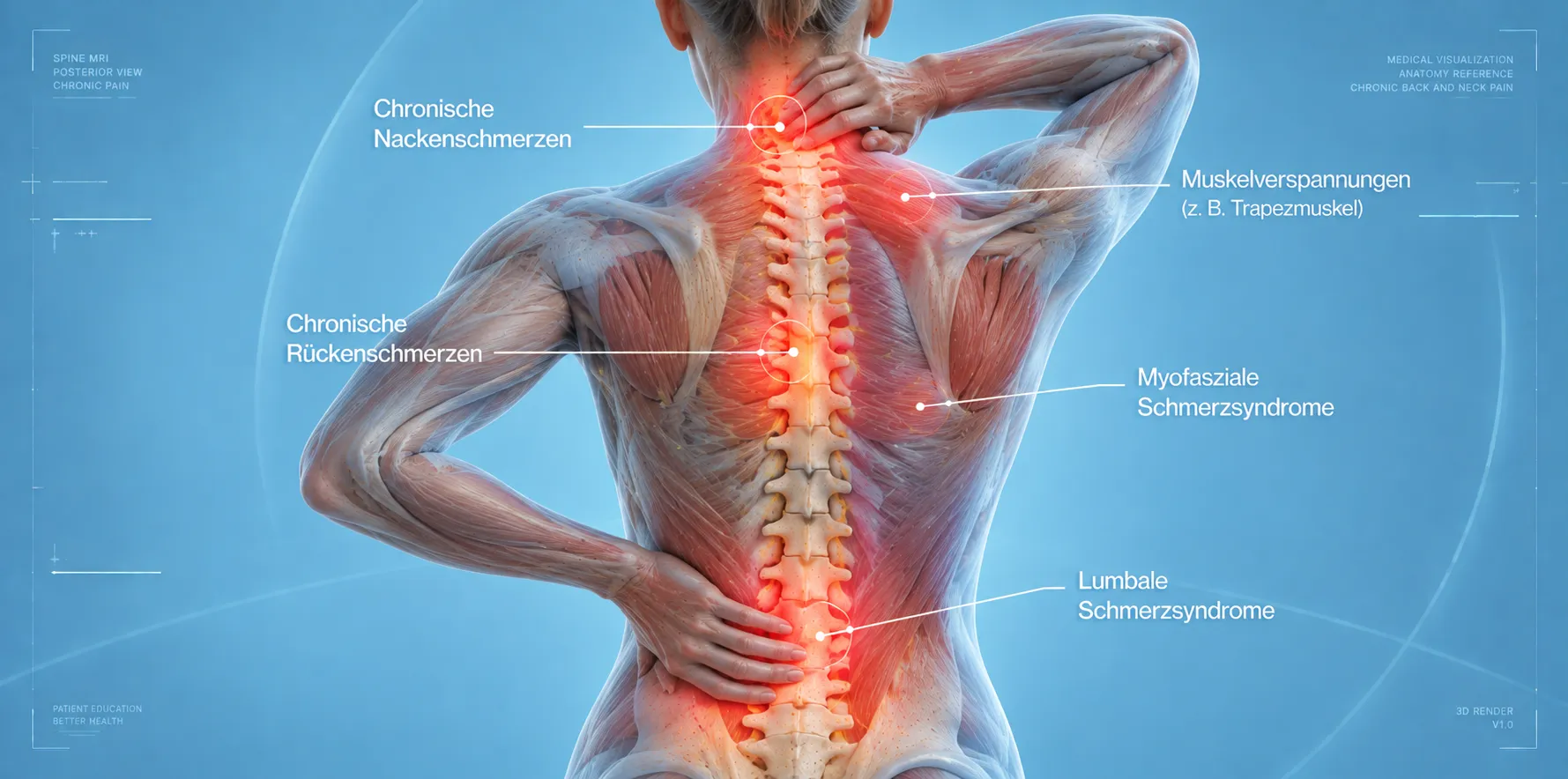
Chronic Back/Neck Pain
Persistent pain lasting more than several months. Requires an individual, multimodal treatment concept.
Neuromodulation
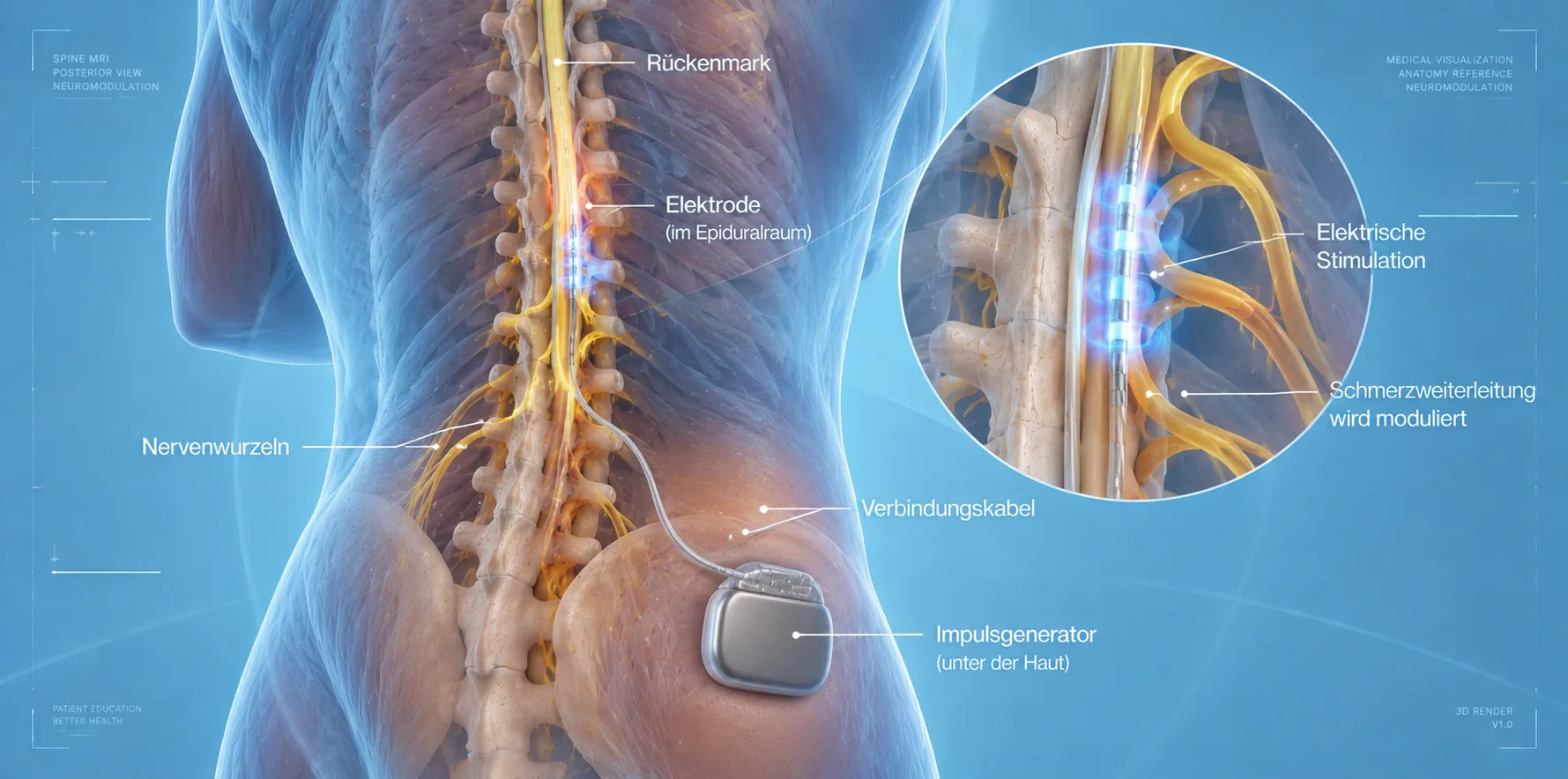
Innovative minimally invasive pain therapy through targeted electrical stimulation of nerve pathways to sustainably relieve chronic pain.
Neuropathic Pain and Postoperative Pain Syndromes
Pain caused by nerve damage or arising after surgery. Typical: burning, stabbing sensations, tingling or skin hypersensitivity.

Psychosomatic Accompanying Factors
Chronic pain is often accompanied by psychological comorbidities. A holistic approach including psychosomatic aspects improves therapy outcomes.
Specialized Neurosurgical Pain Therapy
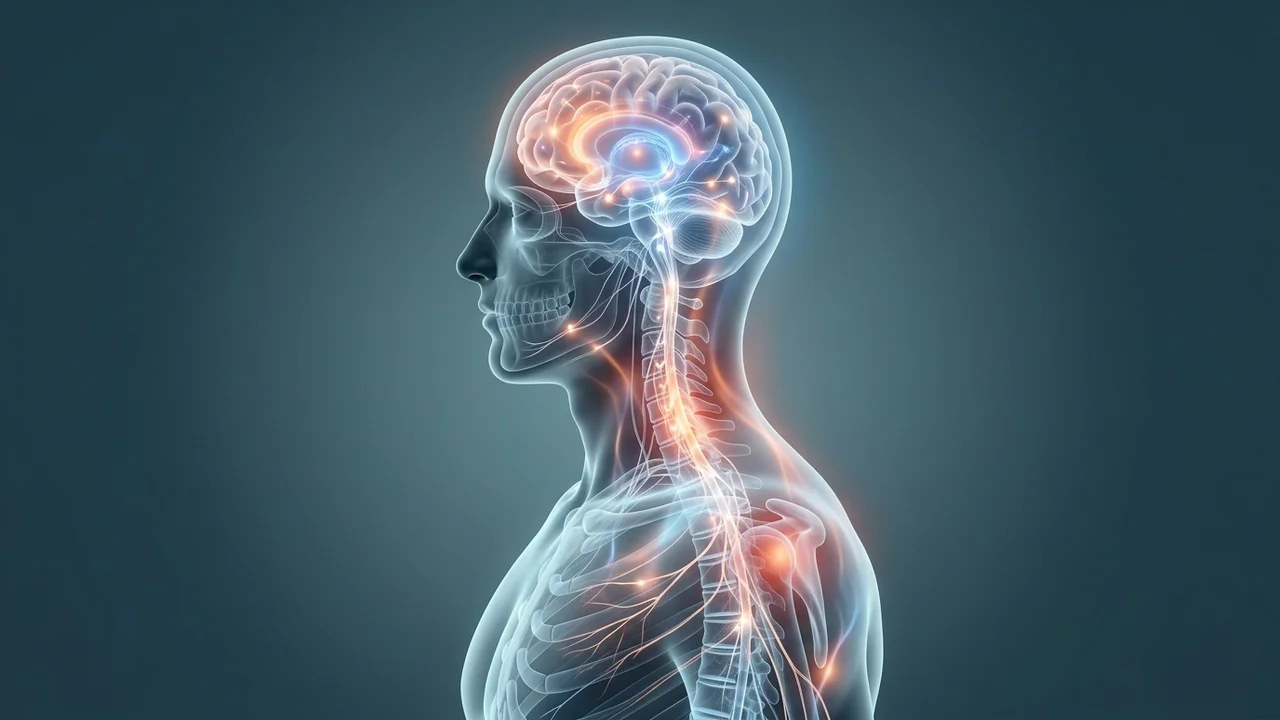
Individualized and multimodal treatment of complex and chronic pain syndromes of the nervous system, spine, and musculoskeletal system.
